Yango Group’s $150M Africa bet reshapes ride-hailing competition
On Techpoint Digest, we discuss Yango targeting Africa's ride-hailing behemoths, Nairobi breathing again after a transport strike, and MultiChoice preparing for significant job cuts.
Kaixo,
Victoria from Techpoint here,
Here’s what I’ve got for you today:
Yango is coming for Africa’s ride-hailing giants
Nairobi breathes again as transport strike pauses
MultiChoice braces for major job cuts
Yango is coming for Africa’s ride-hailing giants
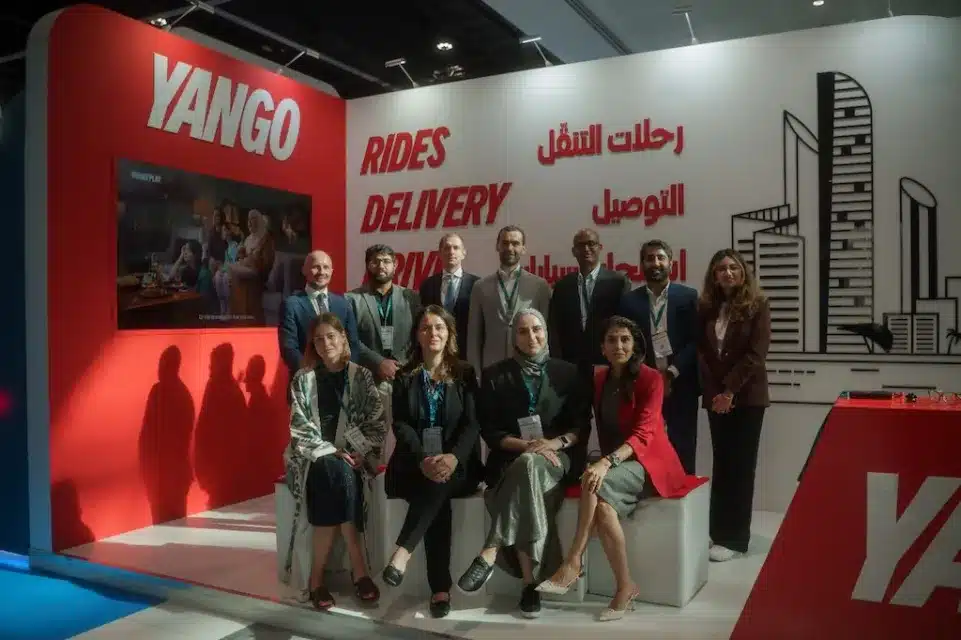
Image source: Seamless Xtra
Africa’s ride-hailing wars just got a lot more serious. Yesterday, Yango Group announced a fresh $150 million funding round to expand its African operations, giving the Dubai-based tech company a much bigger war chest to compete with Uber, Bolt, and InDrive across the continent. Yango may still feel newer to many African users, but the company has been moving quietly and aggressively behind the scenes for years. What started as a ride-hailing app has steadily expanded into food delivery, parcel logistics, mapping, payments, vehicle financing, entertainment, and fintech tools for drivers and small businesses. This latest raise feels less like ordinary expansion capital and more like Yango formally announcing its intent to become part of Africa’s daily infrastructure.
The interesting thing is that Yango is not only spending money on rides. The company has been building what looks increasingly like a full super-app ecosystem underneath the surface. In Kenya, it backed BuuPass, the intercity transport booking platform that has processed millions of bus tickets. It also invested in Zanifu, a fintech helping small retailers access inventory loans, and later expanded into gig-worker vehicle financing through Gigmile. In markets like Cameroon, Yango has already layered ride-hailing with delivery services, logistics, and in-app lending products. The strategy is becoming clearer now: use mobility as the entry point, then slowly connect transport, commerce, payments, and financial services into one ecosystem people depend on every day.
That matters because Africa’s ride-hailing market has mostly been a two-player story for years. Uber dominated premium urban markets while InDrive built traction by letting passengers nego...