The Pope calls for AI that centres humanity, but the AI empire will crumble without exploitation
Pope Leo XIV says AI must serve the common good. But from the mines of the DRC to the offices of Nairobi, the people building it are the last ones it serves.
Many of ChatGPT’s over 900 million weekly active users will never know that the reason the LLM does not occasionally and randomly spew racist, abusive content is that there are workers in Kenya filtering through huge amounts of harmful and dehumanising data for less than $2 an hour.
This is the foundation on which AI is built. While many have called it exploitative, Silicon Valley’s AI giants see it as the price to pay for the technology the world needs.
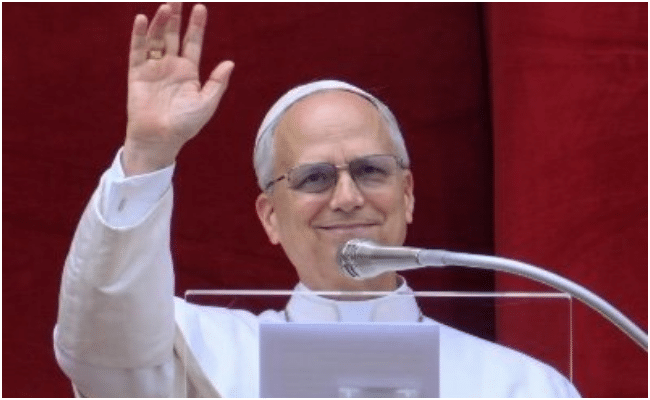
However, Pope Leo XIV, in his recent encyclical letter on Safeguarding the Human Person in the Time of Artificial Intelligence, suggested a new approach in this era of technological development. One in which the advancement of artificial intelligence (AI) is centred on humanity.
In the letter, the Pope advises that scientific research must be done in conjunction with moral and spiritual discernment. He adds that for AI to serve the common good, human dignity must be emphasised from design to use.
But the question that must be asked is: if big tech is stripped of its ability to exploit and dehumanise, what is left to build the industry?
AI and capitalism
AI is built on exploitation, and an argument can be made that it cannot thrive without it. One of the most reported examples of this is the unfair use of data labellers and annotators in countries around the world, including Kenya, India, Uganda, Nigeria, and Ghana. These workers sort through and moderate descriptive and disturbing content around child sexual abuse, bestiality, murder, suicide, torture, self-harm, and incest, in exchange for meagre wages.
Although the world has seen an explosive advancement in AI technology over the past few years, the field is still nascent, and so is the desire to make a massive amount of money in a seemingly endless race.
Related Story:
Why photographers don’t care when you use AI for your birthday shoot