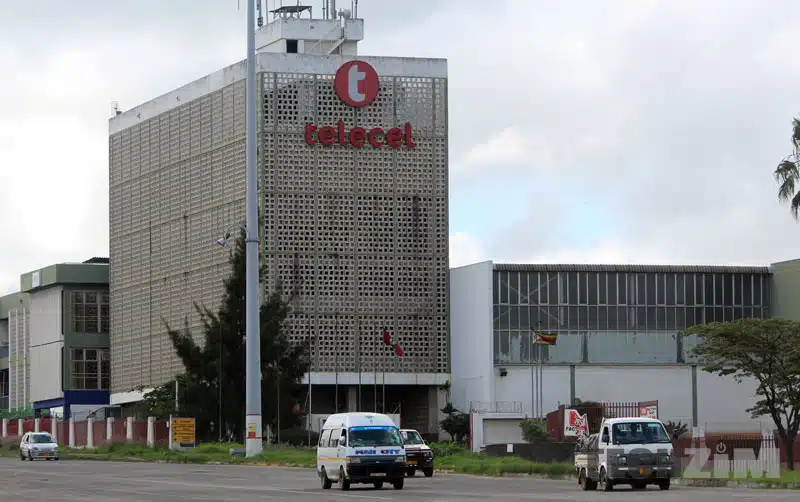
Telecel Zimbabwe needs $50 million or it’s gone
On Techpoint Digest, we discuss Telecel Zimbabwe's need for $50 million to survive, how South Africa is dragging while Egypt propels Vodacom forward, and the R4.17 billion risk associated with the MultiChoice Competition Case.
<br />
Ciao,<br />
<br />
<br />
<br />
Victoria from Techpoint here,<br />
<br />
<br />
<br />
Here’s what I’ve got for you today:<br />
<br />
<br />
<br />
<br />
Telecel Zimbabwe needs $50M to survive<br />
<br />
<br />
<br />
South Africa drags while Egypt powers Vodacom forward<br />
<br />
<br />
<br />
R4.17B risk looms over MultiChoice Competition case<br />
<br />
<br />
<br />
<br />
Telecel Zimbabwe needs $50M to survive<br />
<br />
<br />
<br />
<br />
Source: herald.co.zw<br />
<br />
<br />
<br />
Remember this? Telecel Zimbabwe goes up for sale under pressure<br />
<br />
<br />
<br />
Telecel Zimbabwe is effectively on the clock, and the message from its rescue managers is blunt: the company needs about $50 million or it risks disappearing entirely. Grant Thornton, which is overseeing the corporate rescue process, has opened the door to investors and is currently shopping the telecom operator to anyone willing to take on a high-risk turnaround. The problem is that this isn’t just a funding gap; it’s a full-blown balance sheet crisis, with debts sitting at roughly $240 million.<br />
<br />
<br />
<br />
On the surface, Telecel still looks like a functioning mobile operator, but the numbers tell a different story. It has just over 300,000 active subscribers left, a fraction of the market it once competed in seriously. Its infrastructure footprint has also lagged badly behind rivals, with a small LTE rollout and no 5G presence at all. In a market increasingly defined by data demand and network quality, that kind of gap is brutal.<br />
<br />
<br />
<br />
Still, Telecel isn’t completely without value. It operates more than a thousand base stations spread across urban and rural Zimbabwe, which means its network still physically touches communities that other operators don’t always reach as deeply. Then there’s Telecash, its mobile money platform, which may actually be the most attractive asset in the entire business given how central mobile payments have become across Africa.<br />
<br />
<br />
<br />
<br />
<br />
<br />
The bigger fear for consumers is what happens if no buyer steps in. Zimbabwe could end up with just two major mobile operators — the dominant Econet Wireless and state-owned NetOne — creating a tight duopoly. In telecom markets like this, fewer players often means less price press...