Filming in public: What happens when content creation collides with privacy rights?
From prank videos and street interviews to viral skits, content creators are turning everyday people into content. But what rights do those individuals have when they are filmed without consent?
<br />
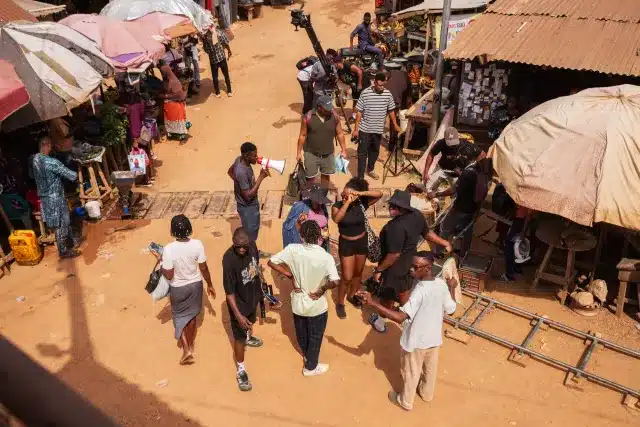
For many content creators, public spaces have become content studios. Markets, bus stops, restaurants, parks, and busy streets are regularly featured in prank videos, social experiments, and skits, with some street interviews attracting thousands, and sometimes millions of views online. <br />
<br />
<br />
<br />
However, the people who appear in these videos are often strangers going about their daily lives, captured in the background, caught in the middle of a prank, or unknowingly drawn into the story.<br />
<br />
<br />
<br />
The practice has become so common that few people stop to question it. After all, if something happens in public, isn’t it fair game? The rise of social media has changed what it means to be in public. Most of these content makers often shoot in busy environments where passers-by become part of the final production.<br />
<br />
<br />
<br />
For creators, these settings offer authenticity. Real reactions make content more engaging, and public spaces provide an endless supply of stories, personalities, and interactions. But the same authenticity that makes the content appealing also raises questions about consent.<br />
<br />
<br />
<br />
<br />
<br />
<br />
<br />
<br />
<br />
Unlike actors who knowingly participate in a production, many of the people featured in these videos never agreed to be part of it; some only discover their appearance after friends, family members, or colleagues point it out.<br />
<br />
<br />
<br />
So where does a creator’s right to film end, and where does a person’s right to privacy begin?<br />
<br />
<br />
<br />
Filming in public is not illegal, but that is only part of the story<br />
<br />
<br />
<br />
One of the biggest misconceptions around public filming is the assumption that recording people in public automatically violates the law. According to Moses Faya, lawyer and founder of Tech Policy Advisory, the issue is not quite that straightforward.<br />
<br />
<br />
<br />
<br />
<br />
<br />
“There’s nowhere expressly in Nigerian law that says that no, do not film in public or filming in public is illegal,” Faya explains. <br />
<br />
<br />
<br />
More importantly, the Constitution does not specifically address public filming, photography, social media content, or viral vid...